
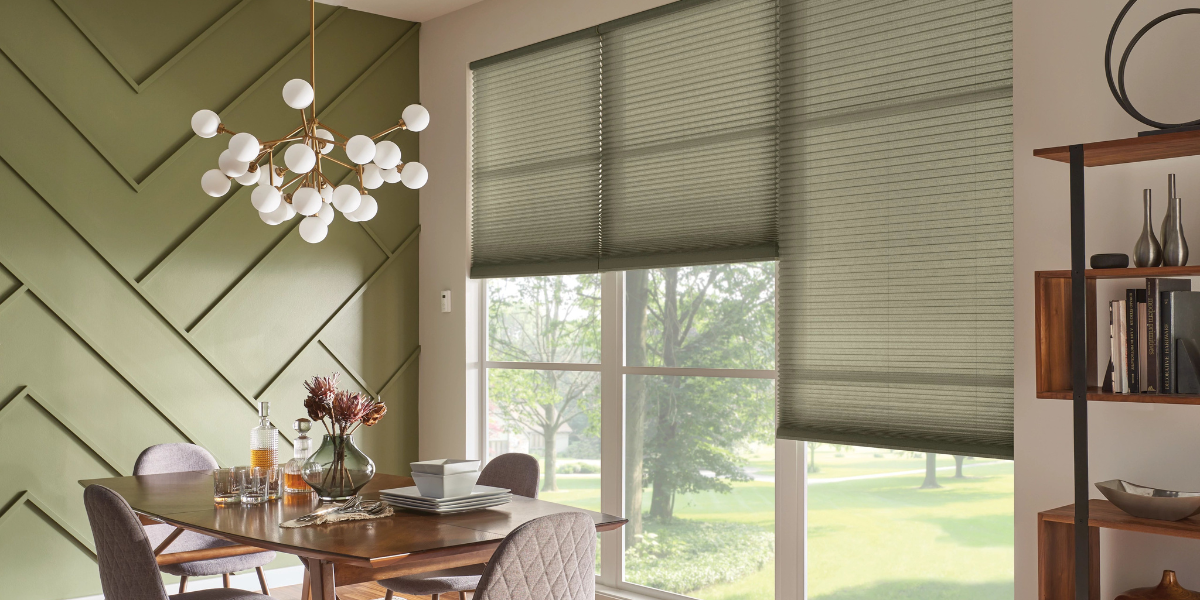
Every home has a unique layout, and no two rooms experience light in the same way. Window size, orientation, ceiling height, and how a space is used all influence how light enters and moves throughout the home. Because of this, window shades that work well in one room may not perform the same way in another.
Custom window shades are designed to account for these differences. Rather than relying on standard sizes or one-style solutions, custom shades allow light control, privacy, and comfort to be tailored to how each space functions day to day. When thoughtfully selected, they support both the design of the home and the way it is lived in.
Why Home Layout Matters When Choosing Window Shades
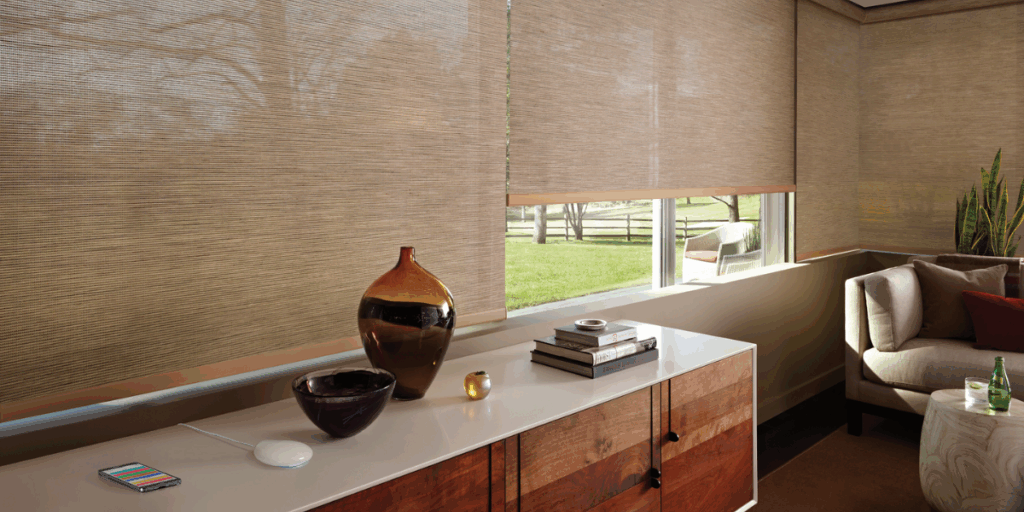
The layout of a home plays a major role in how window shades should be selected and configured. Open floor plans allow light to travel freely between spaces, while more segmented layouts often require different levels of privacy and light control from room to room.
Window size and placement also affect performance. A wide living room window behaves very differently than a narrow bedroom window. Corner windows, sliding doors, and grouped windows introduce additional considerations around alignment and consistency.
Custom window shades make it possible to address these variations intentionally. Instead of forcing the same solution everywhere, each shade can be selected based on the needs of the specific space while still maintaining a cohesive look throughout the home.
How Light Exposure Influences Shade Selection
Light exposure changes throughout the day, and different rooms are affected in different ways. East-facing windows bring in strong morning light, while west-facing windows are more likely to experience glare and heat later in the day. South-facing windows often receive consistent sunlight, which can contribute to fading and temperature changes.
Some spaces benefit from soft, filtered daylight, while others require more controlled light to support comfort and usability. Bedrooms, home offices, and media rooms often have very different needs compared to kitchens or living areas.
Custom window shades allow light management to be adjusted based on these conditions. Shade style, fabric choice, and openness levels can all be tailored to reduce glare, protect interiors, and maintain a comfortable balance of natural light.
Common Window Challenges Custom Window Shades Are Designed to Solve
Homes rarely experience light and privacy challenges in the same way from room to room. Custom window treatments are designed to address these common issues:
- Uneven light levels caused by windows facing different directions
- Privacy needs that change throughout the day
- Glare that interferes with screens, workspaces, or relaxation
- Heat buildup near sun-exposed windows
- Hard-to-reach windows that are difficult to adjust manually
- Inconsistent appearance when using standard-sized shades
By addressing these challenges individually, custom window coverings provide more consistent comfort and better long-term performance across the home.
Types of Window Shades That Adapt to Different Layouts and Light Needs
Different shade styles offer different benefits depending on the space and light conditions. Custom window shades can be selected to support both function and design without overwhelming the room.
- Roman shades add softness and visual depth, making them well suited for living spaces or bedrooms where texture and warmth matter.
- Sheer shades gently diffuse sunlight while still allowing flexibility, which works well in rooms that benefit from filtered daylight. There are also sheer opinions that provide complete coverage.
- Cellular shades are designed to help regulate indoor temperatures, supporting comfort in rooms with high sun exposure or fluctuating conditions.
- Roller shades offer clean lines and flexible opacity options, making them a popular choice in modern and transitional interiors.
- Woven shades introduce natural texture using materials like bamboo or grasses, creating visual interest while still managing light and privacy.
- Vertical shades are a practical option for wider openings and sliding doors, offering smooth operation and adaptable light control.
- Solar shades reduce glare and UV exposure while maintaining outdoor views, making them a strong choice for bright, sun-filled spaces.
Selecting the right shade type for each room allows window shades to work in harmony with the home’s layout and light patterns.
When Custom Sizing and Configuration Make the Biggest Difference
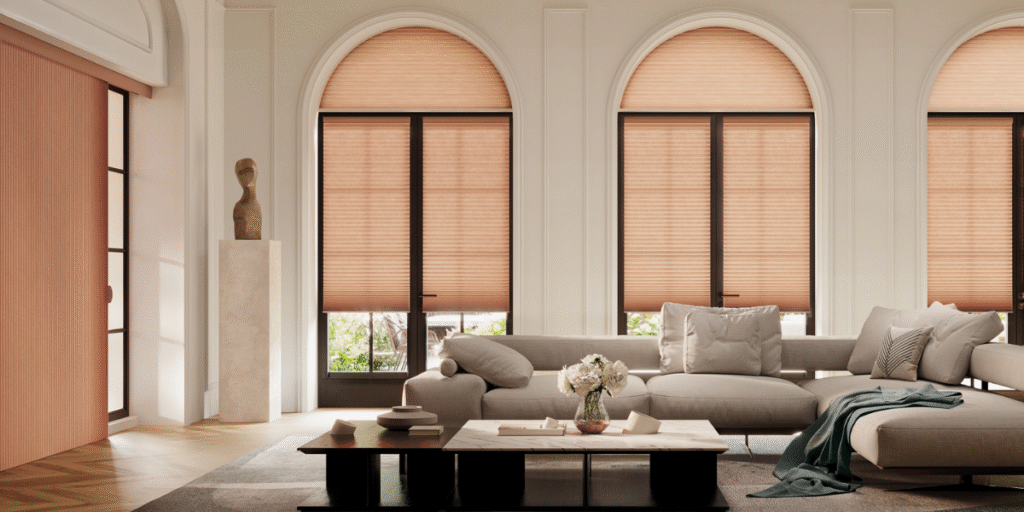
Standard-sized shades are designed to fit average windows, but many homes include openings that fall outside those dimensions. Tall windows, wide spans, grouped windows, and sliding doors often require more precise solutions.
Custom sizing ensures that shades align properly, operate smoothly, and maintain consistent proportions. When multiple windows share a space, custom configuration helps create visual balance and continuity rather than a fragmented look.
This level of precision improves daily usability as well. Shades fit more securely, adjust more evenly, and perform reliably over time when they are designed specifically for the window opening.
Design Considerations Beyond Light Control
While managing light is important, design considerations play an equally important role in how window shades function within a space. Fabric choice affects how light is filtered and how the shade feels visually. Opacity or openness levels influence privacy and brightness. Color and texture contribute to the overall tone of the room.
In modern interiors, maintaining clean lines and avoiding unnecessary visual weight is often a priority. Custom window treatments allow these details to be selected intentionally so the shade supports the design rather than competing with it.
By considering both performance and appearance, shades become an integrated part of the room rather than an afterthought.
Benefits of Choosing Custom Window Shades Over Off-the-Shelf Options
Custom window shades offer several advantages over standard solutions:
- Tailored fit for any window sizes and layouts, including unique sizes and specialty shapes
- Better control over light, privacy, and comfort
- Consistent appearance across different rooms
- Improved durability and long-term performance
- Solutions designed around how the home is actually used
These benefits allow window shades to function reliably while supporting the overall design of the home.
Frequently Asked Questions About Custom Window Shades
What makes custom window shades different from store-bought options
Custom window coverings are designed to fit specific window dimensions and light conditions, offering better performance and a more cohesive appearance.
Are custom window coverings worth it for standard windows
Even standard windows can benefit from custom shades when consistent design, improved light control, and long-term durability are priorities.
Can custom shades be used throughout an entire home
Yes. Different shade styles can be used in different rooms while maintaining a cohesive overall look.
Do custom window shades work for rooms with changing light conditions
Custom shades can be selected based on how light changes throughout the day, making them well suited for rooms with varying exposure.
Are motorized options available for custom shades
Motorized options are available and can improve ease of use, especially in spaces with multiple windows or hard-to-reach areas.
Choosing Window Shades That Fit How Your Home Is Used
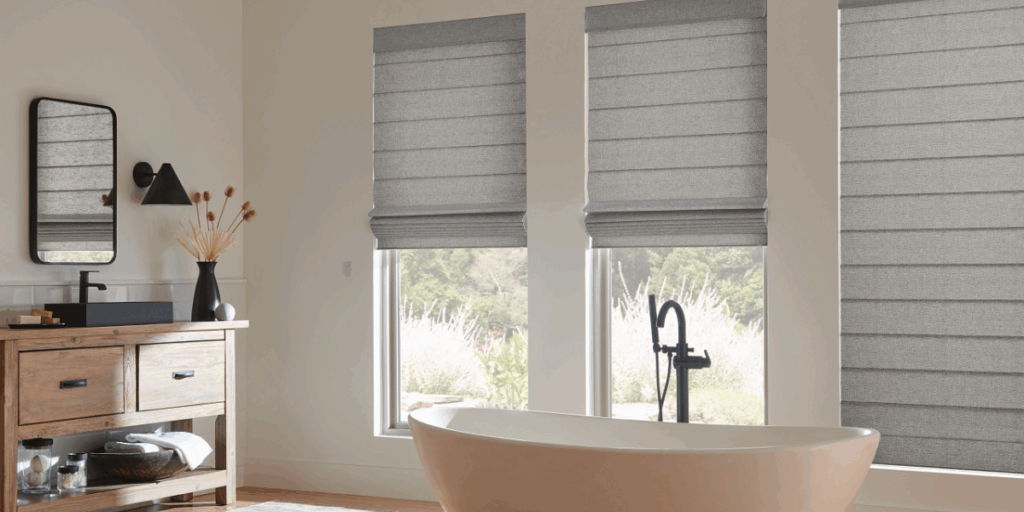
Window shades perform best when they are selected with intention. Layout, light exposure, room function, and design all influence which solution will work well over time. Custom window shades allow these factors to be considered together rather than addressed individually.
For homeowners looking to create comfortable, well-balanced spaces, professional guidance can help ensure each room is equipped with shades that support how the home is used every day. To explore custom window shade options tailored to your home, you can schedule a free consultation here.
For inspiration, project highlights, and window treatment insights, you can also follow us on Facebook and follow us on LinkedIn.