
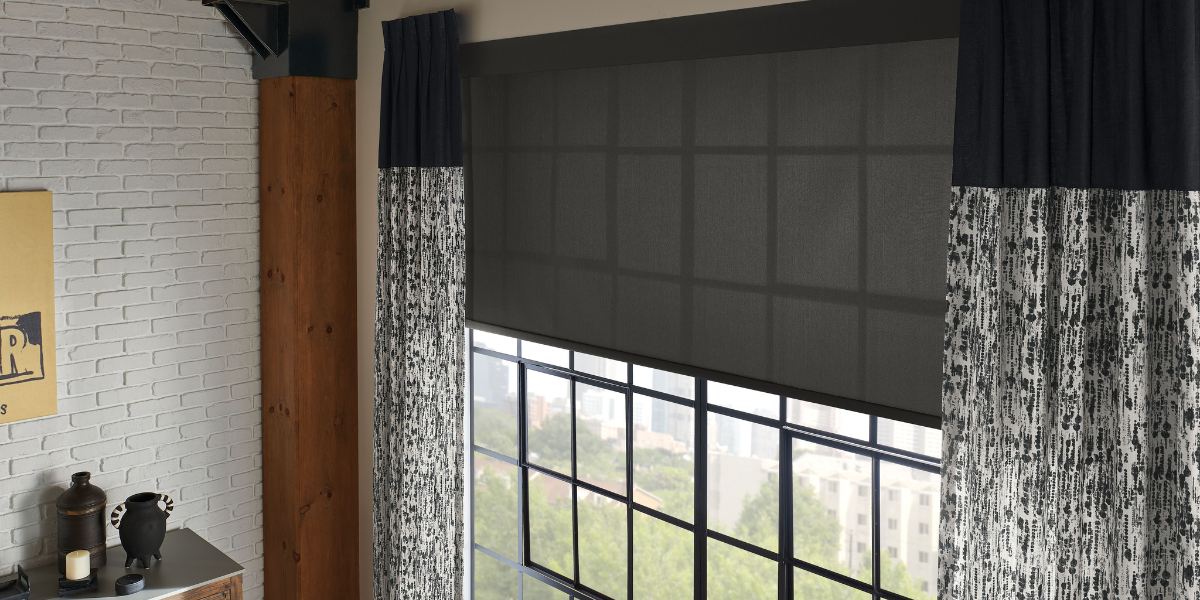
Energy efficient window shades are crucial for large windows. Homes with large windows and open layouts often feel bright and inviting, but they can also be harder to keep comfortable throughout the year. Sun exposure, temperature swings, and uneven heating or cooling are common challenges, especially in rooms with expansive glass. While heating and cooling systems play an important role, window treatments have a direct impact on how a space manages heat and light.
Energy efficient window shades help regulate indoor conditions by addressing heat gain, heat loss, and glare directly at the window. Rather than acting as a short-term solution, these shades support long-term comfort while still aligning with the design and architecture of the home. Understanding how different shade styles contribute to efficiency makes it easier to choose a solution that performs well in every season.
How Energy Efficient Window Shades Influence Indoor Temperature and Comfort
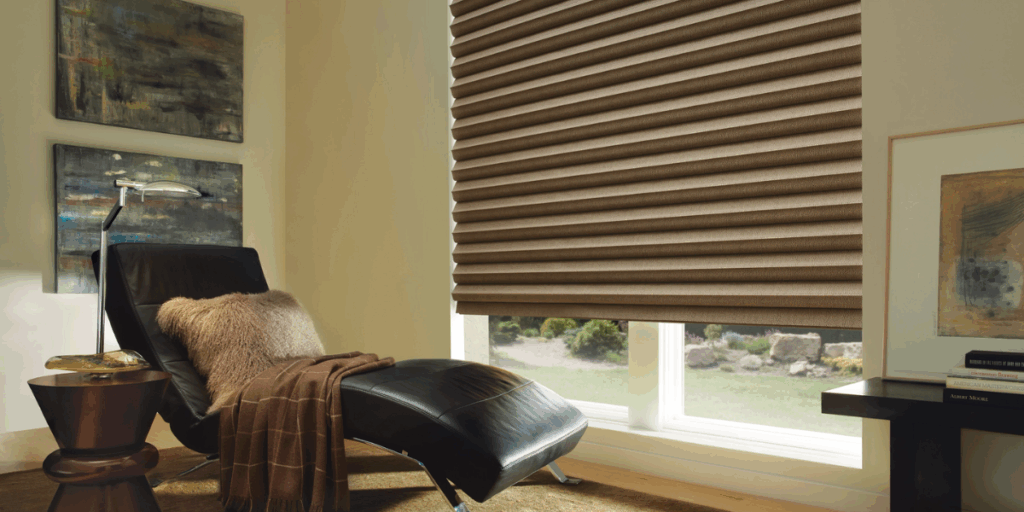
Windows are one of the primary areas where outside temperatures affect the interior of a home. Sun-facing glass allows radiant heat to enter during warmer months, while colder outdoor air can pull warmth out of the room during cooler seasons. Without the right window treatments, this constant exchange can lead to hot and cold spots near windows and uneven comfort throughout the space.
Energy efficient window shades create a layer between the glass and the interior environment. This layer helps slow heat transfer, diffuse sunlight, and reduce temperature fluctuations near the window. Instead of relying entirely on heating and cooling systems to compensate, homeowners can improve comfort by addressing the source of the problem.
When properly selected and installed, these shades contribute to a more balanced indoor environment. Rooms feel more consistent from wall to wall, glare is reduced during peak daylight hours, and living spaces remain usable throughout the day.
Insulating Window Shades That Help Reduce Heat Transfer
Insulation at the window level plays a major role in maintaining comfortable indoor temperatures. Energy efficient window shades are designed to limit how quickly heat moves through the glass, helping retain warmth when it is cold outside and reducing excess heat during warmer periods.
Cellular window shades are a strong example of this approach. Their structured design creates air pockets within the shade that act as a thermal barrier. These pockets slow the movement of heat, supporting more stable indoor temperatures. Other layered or lined shade styles can also contribute to insulation when they are properly constructed and fitted.
Features that support better insulation at the window include:
- Layered constructions that slow the movement of heat
- Air pockets or structured designs that create a thermal barrier
- A precise fit that minimizes gaps around the window frame
- Materials chosen for thermal performance rather than appearance alone
When insulating window shades are customized to the size and orientation of each window, they perform more effectively and integrate cleanly into the overall design of the room.
Window Shade Styles That Support Better Energy Performance
Not all window shades contribute to energy efficiency in the same way. Different styles manage heat, light, and insulation differently depending on their construction, materials, and how they interact with the window opening. Understanding these distinctions helps homeowners choose a solution that aligns with both comfort goals and design preferences.
Several window shade styles are commonly used to support better indoor temperature control:
- Cellular window shades use a structured honeycomb design that traps air within the shade, creating an insulating layer at the window. This construction helps reduce heat transfer in both warm and cool conditions.
- Dual cell cellular shades provide added insulation by incorporating multiple layers of air pockets, which can be beneficial for larger windows or rooms with higher exposure.
- Solar shades are designed to filter sunlight and reduce solar heat gain while maintaining outward visibility. They are especially effective for sun-facing windows where glare and heat buildup are concerns.
- Roller shades with performance fabrics use materials engineered to reflect or diffuse heat while maintaining a clean, minimal profile that works well in modern spaces.
- Roman shades with thermal or layered linings combine softness with insulation, helping reduce drafts while adding visual depth to a room.
- Energy Efficient Shutters While they aren’t shades, interior shutters offer a durable, insulating solution that helps regulate indoor temperature and reduce heat transfer.
Each of these styles contributes to energy efficiency in a different way. The most effective solution often depends on window size, orientation, and how the room is used throughout the day.
Energy Efficient Shutters That Combine Durability and Performance
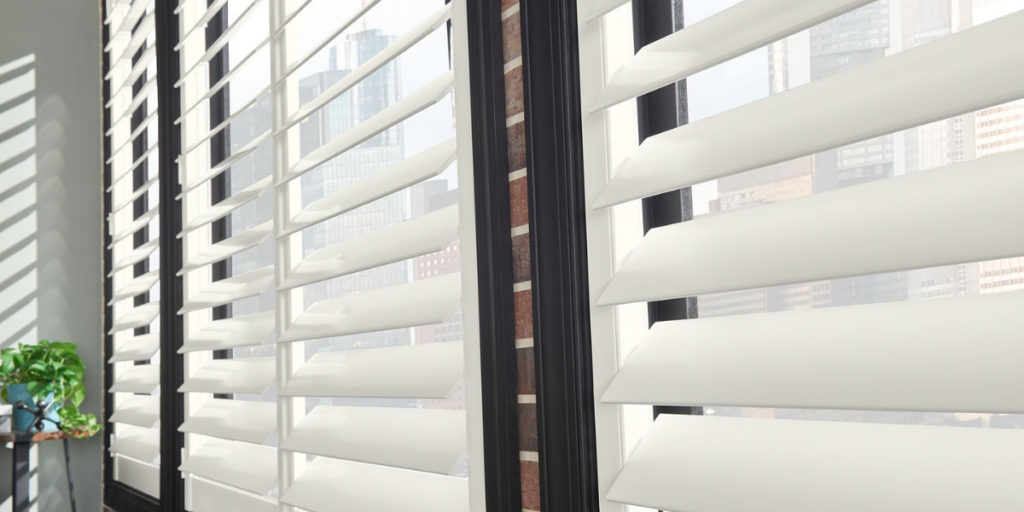
While energy efficient window shades are a popular solution for managing heat and light, interior shutters offer a more permanent and highly durable option for improving insulation at the window.
Modern poly shutters, such as Broadleaf™ shutters, are engineered to provide both structural strength and thermal performance. Unlike traditional wood, these shutters are constructed from advanced polymer materials that resist warping, cracking, and moisture damage. This makes them especially effective in areas where temperature swings, humidity, or direct sunlight are a concern.
From an energy standpoint, shutters create a solid barrier between the glass and the interior of the home. Some poly shutter designs can insulate significantly better than wood, helping reduce heat transfer and maintain more consistent indoor temperatures throughout the year.
Additional performance benefits include:
- Resistance to heat, humidity, and UV exposure
- A moisture-resistant and antimicrobial surface
- Reinforced construction for long-term durability
- Low maintenance cleaning with simple soap and water
Because they are custom-built for each window, shutters also minimize gaps that allow air to pass through, further improving efficiency.
Some energy-efficient shutter products have qualified for federal energy efficiency incentives in the past, depending on current program guidelines. While availability of these programs can change, shutters remain a strong long-term investment for both comfort and performance.
Energy Efficient Window Shades That Limit Solar Heat and Harsh Glare
Solar exposure is another key factor that affects comfort, especially in rooms with south- or west-facing windows. Direct sunlight can increase indoor temperatures and create glare on screens, making spaces uncomfortable during certain times of day.
Some window shades are designed to manage solar heat while still allowing natural light into the room. Solar and roller shades, for example, filter sunlight and reduce heat gain without completely blocking views. This makes them well suited for living areas, home offices, and rooms where maintaining visibility is important.
By limiting solar heat and glare at the window, homeowners can maintain a more comfortable interior environment and reduce the need for artificial lighting during the day.
Fabric Window Shades That Combine Thermal Performance and Style
Energy efficiency does not have to come at the expense of design. Fabric window shades can contribute to comfort when they are constructed with performance in mind. Roman shades with thermal or layered linings help reduce drafts and improve insulation while adding softness and texture to a space.
Woven styles with insulating backing offer another option for homeowners who prefer natural materials but still want to support better temperature control. These styles work well in rooms where aesthetics are just as important as performance.
The key is selecting fabrics and linings that enhance thermal performance rather than focusing solely on appearance.
Why Custom Window Shades Perform Better Than Standard Sizes
Fit is one of the most important factors in how well window shades perform. Gaps around the edges of a shade allow heat and air to bypass the fabric entirely, reducing its effectiveness. Over time, these small gaps can undermine comfort and consistency in the room.
Custom window shades are measured to fit each opening precisely, accounting for trim, depth, and mounting style. This precision improves insulation, enhances appearance, and ensures smooth operation. Custom solutions also provide better alignment across multiple windows, which is especially important in rooms with wide expanses of glass.
Compared to standard sizes, custom shades deliver more reliable performance and a more polished finish.
Window Shade Solutions for Large and Hard-to-Reach Windows

Homes with tall ceilings or expansive glass often present additional challenges. Large and elevated windows can be difficult to adjust manually, leading homeowners to leave shades open even when heat or glare becomes an issue.
Window shades designed for large or hard-to-reach windows can be paired with motorized operation to improve usability. Motorization allows shades to be adjusted easily, helping maintain consistent comfort throughout the day. This approach is particularly useful in spaces such as two-story living rooms, stairwells, and clerestory window areas.
In these environments, selecting the right shade style and ensuring a custom fit is essential for both performance and ease of use.
Frequently Asked Questions About Energy Efficient Window Shades
What makes window shades energy efficient?
Energy efficient window shades are designed to reduce heat transfer, manage solar exposure, and support more consistent indoor temperatures through materials, construction, and proper fit.
Are cellular shades the most energy efficient option?
Cellular shades are among the most effective options because their insulating design slows heat movement at the window. Other shade styles can also support efficiency when selected appropriately.
Can window shades help reduce drafts and heat loss?
Yes. Shades that fit closely to the window opening help limit drafts and reduce heat loss, especially in rooms with large or exposed windows.
Do energy efficient window shades work for large windows?
When custom measured and installed, energy efficient window shades perform well on large windows and wide glass areas.
Is professional measurement important for energy efficiency?
Professional measurement ensures proper fit, which improves insulation and overall performance.
Choosing Window Shades That Support Comfort and Performance
Selecting window shades that truly support comfort involves more than choosing a style. Window orientation, ceiling height, room use, and exposure to sunlight all influence which solution will perform best over time. A thoughtful approach helps ensure window shades contribute to consistent indoor comfort while complementing the design of the home.
If you are considering energy efficient window shades and want guidance based on how your home actually functions, a professional consultation can help narrow the options and identify the most effective solution for each space. To talk through custom window shade options, you can schedule a free consultation here.
For updates, recent projects, and window treatment insights, you can also follow us on Facebook and follow us on LinkedIn.